
Última actualización: 7 de julio de 2026
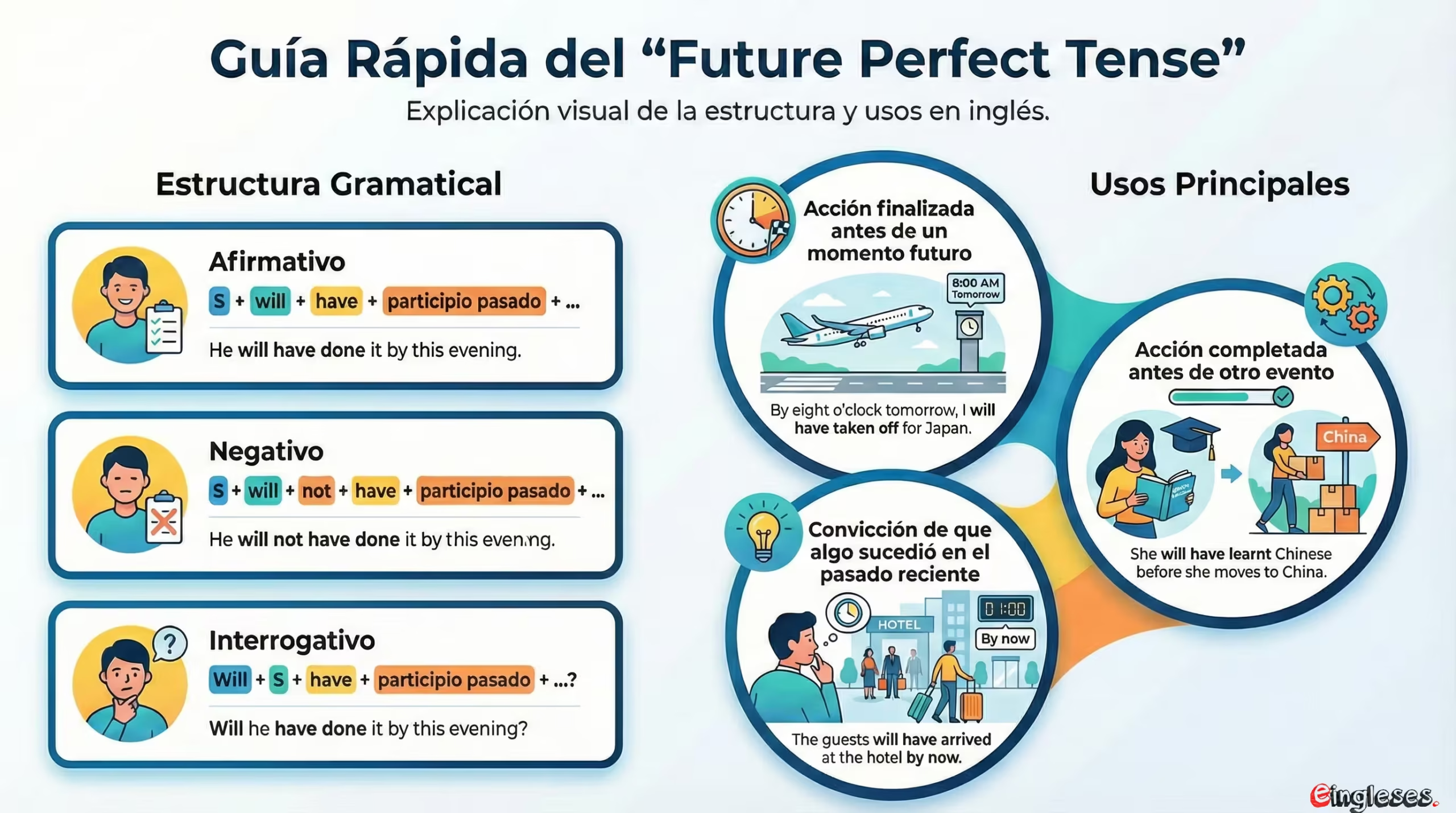
Futuro Compuesto en Inglés (Future Perfect)
El Futuro Compuesto (o Future Perfect) se utiliza para expresar acciones que ya habrán finalizado en un punto específico del futuro. Es el equivalente a nuestro «yo habré cantado» o «tú habrás terminado».
1. Estructura Afirmativa
Fórmula: Sujeto + will have + Participio Pasado
Nota: Al igual que en otros tiempos de futuro, puedes usar la contracción ‘ll have para sonar más natural al hablar.
- I will have stopped. (Yo habré parado).
- She will have lost. (Ella habrá perdido).
- They will have chosen. (Ellos habrán escogido).
2. Negación e Interrogación
Forma Negativa (won’t have)
Sujeto + won’t have + Participio.
- I won’t have stopped.
- She won’t have lost.
- They won’t have chosen.
Forma Interrogativa
Will + Sujeto + have + Participio + ?
- Will I have stopped?
- Will she have lost?
- Will they have chosen?
Expresiones Temporales Clave
Este tiempo verbal casi siempre va acompañado de expresiones que marcan el límite del tiempo:
By… (Para/Antes de…): By next Monday, I will have finished.
By the time… (Para cuando…): By the time you arrive, we will have eaten.
In [X] years: In five years, she will have graduated.